
Dog deworming schedule: the short answer
A dog deworming schedule starts early and repeats often because puppies may be born carrying roundworm from their mother, and can pick up hookworm from her milk. The parasite guidelines for tropical countries such as India (TroCCAP), Europe (ESCCAP) and North America (CAPC) agree on the puppy pattern: a first dose at two weeks of age, repeated every two weeks until eight weeks, then monthly to six months, with the mother treated alongside her litter.
For adult dogs, exposure sets the interval. In India's warm, humid climate hookworm larvae become infective in soil within days. In Dr. Vikas Godara's practice, a typical Indian pet dog that walks outside is dewormed every three months, with a stool test at the annual check-up and ideally every six months.
Deworming itself kills the worms in the gut at that moment and gives no lasting protection, which is why it repeats. The product and the amount are always chosen by a veterinarian who has weighed your dog, so this page gives no doses or brands.
Puppy deworming schedule: what the guidelines say and what your vet decides
| Age | What the guidelines recommend | What your veterinarian decides |
|---|---|---|
| Two weeks | First dose; mother treated the same day | Which product suits a puppy this small |
| Four, six and eight weeks | Repeat every two weeks, mother treated alongside | The dose for the puppy's weight at each visit |
| Two to six months | Monthly | Whether exposure justifies monthly cover |
| Six months onward | Adult plan, set by exposure and stool testing | The interval for this dog |

If you are also planning the puppy's vaccines, the puppy and dog vaccination schedule covers that side of the first months.
Why puppies are dewormed from two weeks of age
Roundworm larvae lie dormant in a female dog's tissues for years. In late pregnancy they reactivate, cross the placenta and settle in the unborn puppies. More pass in her milk during the first weeks of nursing, and hookworm takes the same milk route: a nursing puppy can be shedding hookworm eggs by ten to twelve days of age.
So a puppy can be infected without ever going outside. The first dose at two weeks kills these worms before they mature and lay eggs. The doses repeat every two weeks because new larvae keep arriving in the milk, and because a dose kills worms in the gut but not larvae still migrating through the body.
"Deworming is necessary for prevention of worms, which are very common in young puppies," Dr. Vikas Godara tells clients. "The schedule I follow is the standard deworming protocol."

What have you noticed about your dog?
It will help choose the safest next step. Select everything that applies.
- Select what applies to your dog. Your safest next step will appear here. This check cannot assess your individual dog or confirm worms.
- Keep the schedule running. Write the next due date down, and ask for a stool test at the annual check-up.
- A video consultation is the right first step. Have the dog's weight, any record and a photo of what you saw ready. The vet can set the plan and the dates.
- Speak to a veterinarian today. A vet should see this today. A video consultation can assess the dog on camera and decide whether it needs an in-person visit.
- Contact a physical veterinary clinic immediately. Hookworm anaemia, a gut blocked by worms and a reaction to a dose need hands-on care now. Do not give another tablet.
How often should an adult dog be dewormed?
After about six months most dogs develop partial immunity to roundworm, so adults need deworming less often than puppies, but not never. Hookworm and whipworm still infect adults from the environment. Exposure sets the interval; your veterinarian makes the final call. Which pattern of life fits your dog?
Strictly indoors, no raw meat, no scavenging, no other animals
The lowest exposure. The European guideline allows once or twice a year, or a stool test first. Eggs still come in on shoes, and fleas carry tapeworm.
- Strictly indoors, no raw meat, no scavenging, no other animals. The lowest exposure. The European guideline allows once or twice a year, or a stool test first. Eggs still come in on shoes, and fleas carry tapeworm. What your vet will likely do: A longer interval or a stool-test-first plan.
- Walks outside on streets, parks or society grounds every day. Hookworm larvae develop in warm, damp soil in days. Every three months is Dr. Vikas Godara's standard for this dog in India. What your vet will likely do: Three-monthly deworming, with a stool test at the annual exam and ideally every six months.
- Scavenges, or eats raw meat, butcher scraps or offal. Raw offal can carry the larvae of the hydatid tapeworm, which can infect people. Dogs that scavenge can also swallow dung beetles carrying Spirocerca lupi, a worm that routine dewormers do not cover. What your vet will likely do: Tapeworm cover at least four times a year, and stopping raw offal.
- Lives with young children, or has fleas. Children are the ones who swallow roundworm eggs from soil, and fleas keep the tapeworm cycle going. What your vet will likely do: The shorter interval, and flea control for every pet in the house.
| Your dog's life | What it means for frequency |
|---|---|
| Strictly indoors, no raw meat, no scavenging, no other animals | Less often: the European guideline allows once or twice a year, or a stool test first |
| Walks outside daily | Every three months, Dr. Vikas Godara's standard for the Indian climate; the tropical guideline sets monthly as the upper end for high exposure |
| Scavenges, or eats raw meat, butcher scraps or offal | Tapeworm cover at least four times a year |
| Lives with young children, or has fleas | Ask for the shorter interval |
"The dog is indoors, so it doesn't need deworming" and "once a year is fine" are the two misconceptions Dr. Vikas corrects most often. Eggs come home on shoes, and the flea tapeworm needs no walk at all.
Exposure is not the same as worm burden. A stool test shows whether the plan is working.
What to do the day a puppy arrives with no deworming record
"Puppies in India are usually handed over at forty-five days or even younger," says Dr. Vikas Godara. "The breeder says the deworming is done, but there is no written record." Families are often told to buy any generic pet-shop tablet and dose by guessing the weight. If there is no written date, product and weight, treat the puppy as untreated.
Weigh the puppy
A kitchen or bathroom scale is fine. Every dose is chosen by weight.
- Weigh the puppy. A kitchen or bathroom scale is fine. Every dose is chosen by weight.
- Book a video consultation. The vet sets the first dose and the repeat two weeks later. Mention diarrhoea or a swollen belly first.
- Give the second dose. CAPC: a late-start puppy is dewormed again two weeks later, then monthly. This is the dose most families skip.
- Write it down. Date, weight and product name from the packet, kept with the vaccination card.
Deworming tablets for dogs: which worms they cover
Routine dewormers target roundworm, hookworm, whipworm and tapeworm. Tapeworm needs a different drug class that not every tablet includes, so ask what yours covers. The common flea tapeworm returns unless the fleas go too.
Heartworm is spread by mosquitoes and is not covered by a deworming tablet. Dr. Vikas Godara has seen it in Indian homes: a German Shepherd brought to him for a cough tested positive for heartworm antigen. "I think it is underdiagnosed in India," he says. Prevention is a separate monthly preventive your vet selects.
Spirocerca lupi comes from dung beetles and scavenged offal and damages the oesophagus. Routine tablets do not cover it; if your dog scavenges, ask your vet about specific cover.
A stool test shows whether the plan is working. One clean sample is not proof, because whipworm eggs are shed only intermittently.
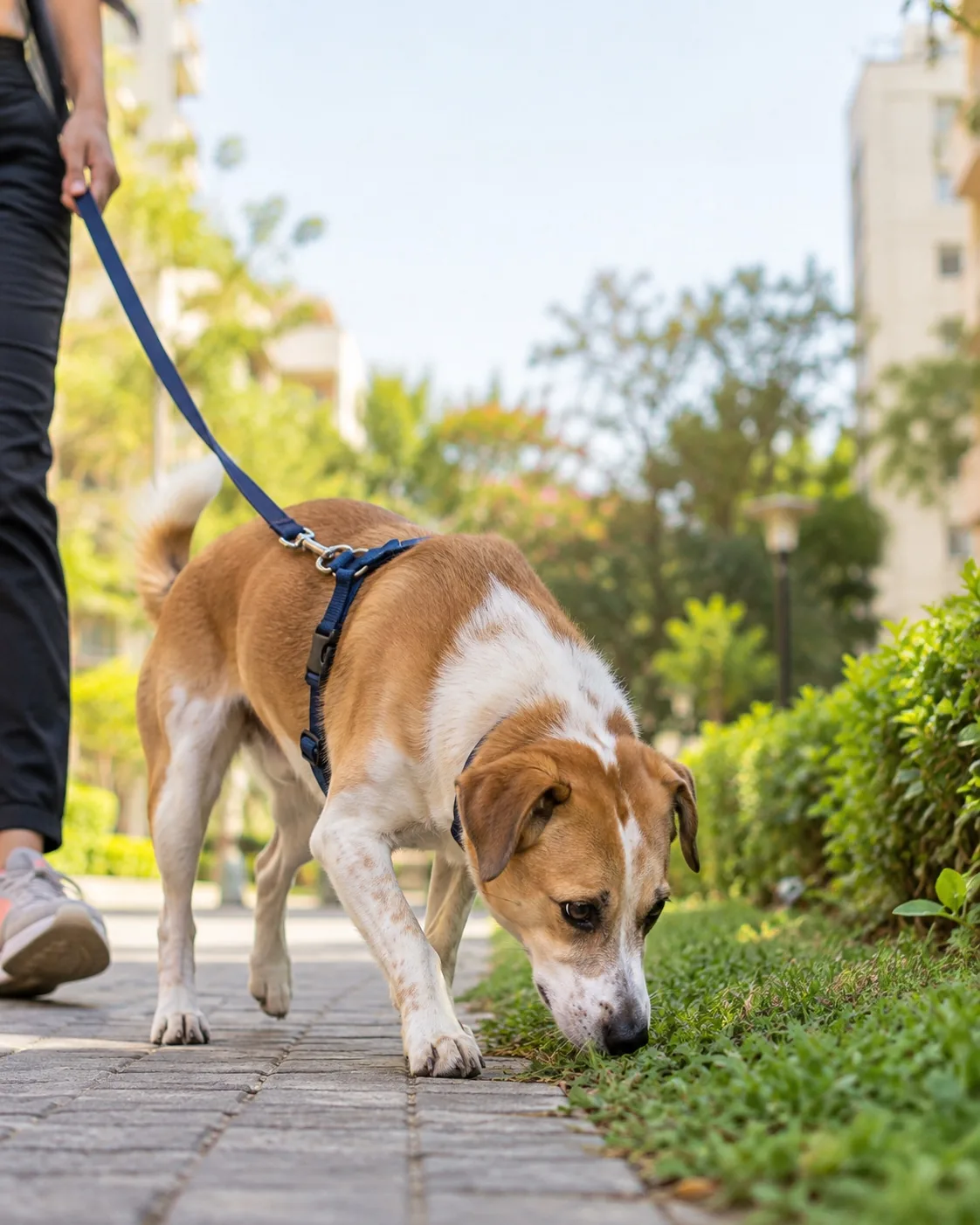
Symptoms of worms in dogs, and the dogs that show none
Most adult dogs with a light burden show nothing, which is why a schedule beats waiting for signs. In puppies and heavy infections, look for:
- A pot belly on a thin puppy with a dull coat: the classic roundworm picture.
- Worms in vomit: long pale strands like cooked spaghetti.
- Diarrhoea with mucus or fresh blood: whipworm.
- Pale gums, weakness or black tarry stool in a puppy: hookworm anaemia, an emergency. It can develop before any egg shows in the stool.
What worms in dog poop look like
- Long pale strands like cooked spaghetti: roundworm.
- Rice-grain segments on the stool, on bedding or around the tail: flea tapeworm.
- Nothing you can see: hookworms and whipworms are too small, so a normal-looking stool does not rule them out.
Side effects after deworming a dog, and what is normal
Dead worms in the stool for a day or two after a dose are normal. Hookworms and whipworms are too small to see. "The transient side effects are seen in dogs that already had a worm load," Dr. Vikas Godara explains. "When the worms die they can release toxins, and that can cause mild gastrointestinal signs, but most of the time it is not seen."
If the dog vomits within a couple of hours of the tablet, call your vet before re-dosing. If vomiting or diarrhoea lasts beyond a day, or the dog stops eating, speak to a vet the same day. Deworming gives no lasting protection; hookworm larvae stored in muscle can re-enter the gut after treatment, which is why the schedule repeats.
Deworming a puppy before vaccination
"If the puppy is on schedule, I don't ask for another dose before the vaccination; I just want the exact date of the last one," says Dr. Vikas Godara. "If it was not dewormed, then about three to seven days before the vaccine is a good choice, because a heavy worm load can reduce the vaccine response."
Keep a deworming record
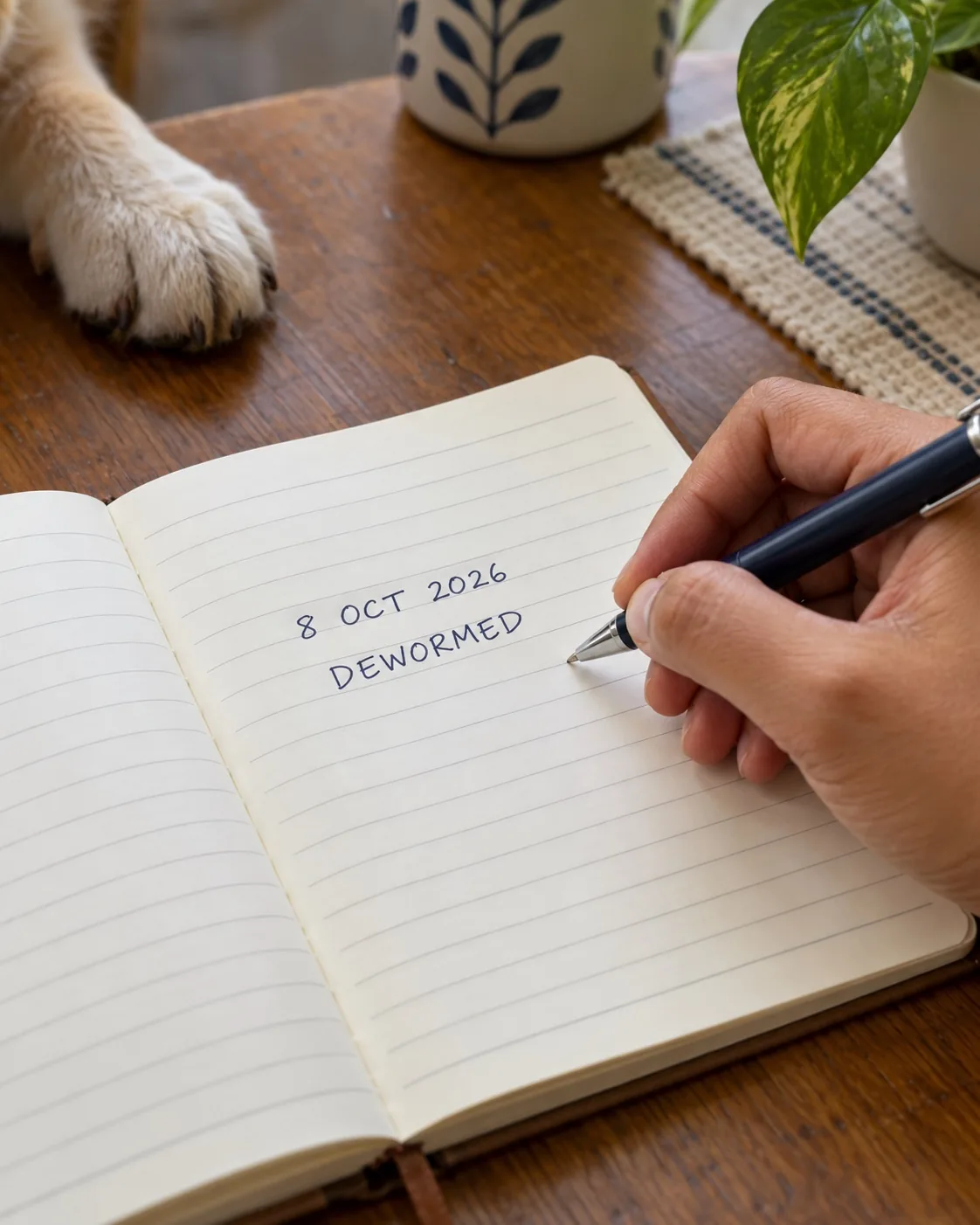
For each dose, write the date, the dog's weight and the product name from the packet. Keep it with the vaccination card, photograph both, and bring them to every consultation.
Can humans get worms from dogs?
Yes, by three routes, each blocked by one habit.
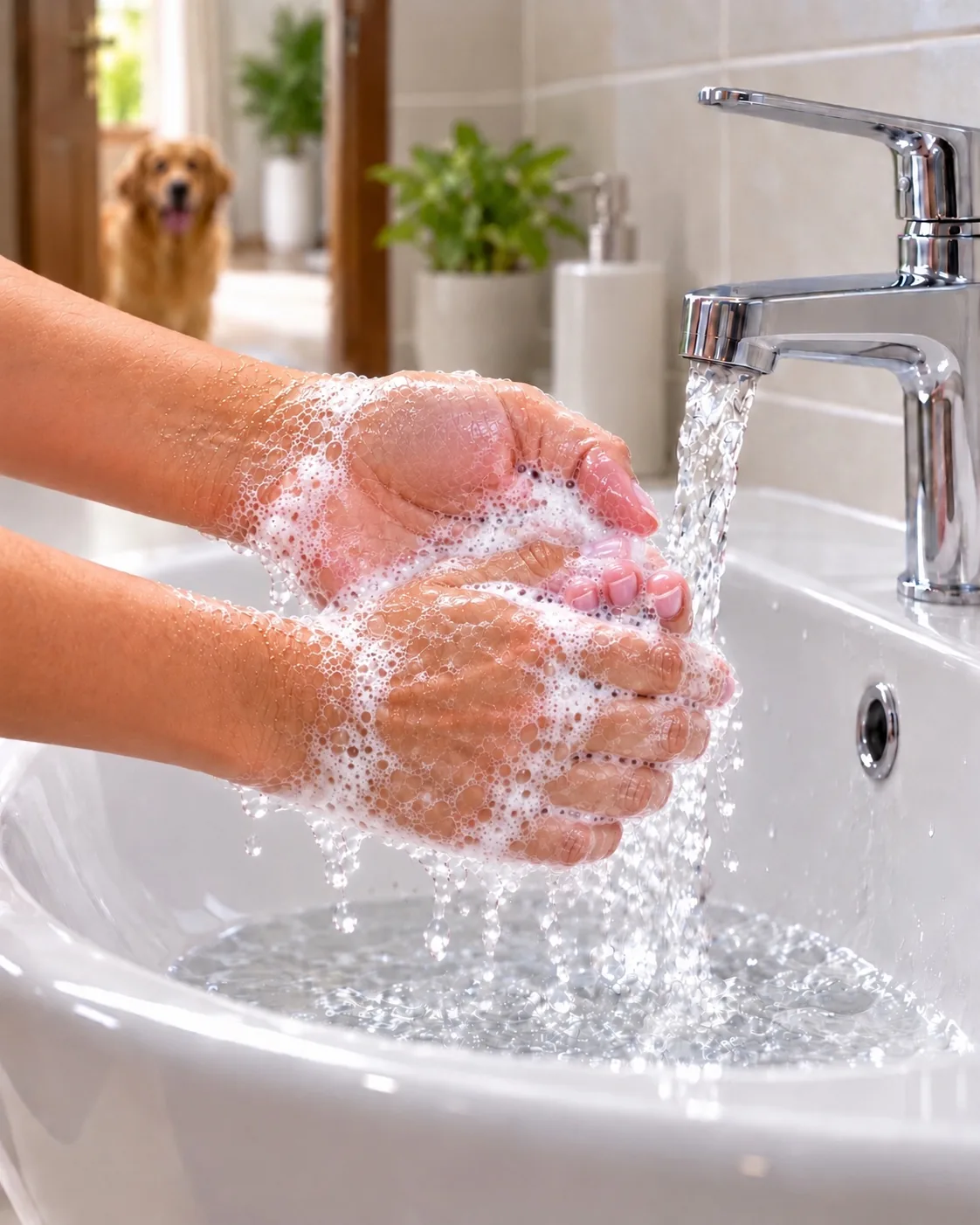
- Roundworm eggs in soil need two to four weeks to become infective, then survive for years. Young children swallow them. Pick up stool daily and wash hands after play.
- Hookworm larvae enter bare skin and cause an itchy, snaking rash; one dog hookworm in India can also infect the human gut. Wear footwear on soil dogs use.
- Hydatid disease comes from a tapeworm dogs get from raw offal; its eggs form cysts in human liver or lungs. It is endemic in India. Never feed raw offal.
What to avoid
The mistakes vets see most often:
- Guessing the weight; dose is by weight.
- Deworming a vomiting or swollen-bellied puppy without advice. Deworming does not treat diarrhoea.
- Skipping the repeat dose two weeks later.
- Human deworming tablets, or sharing one dog's dose with another.
- Treating one pet and not the others: ask your vet to put every dog and cat in the house on the same schedule.
Contact a physical veterinary clinic immediately
Deworming is routine. These situations are not, and none of them should wait for an online appointment.
- A puppy with pale or white gums, weakness, cold paws or black tarry stool: hookworm anaemia can kill a young puppy
- Repeated vomiting with a swollen, painful belly: a heavy roundworm burden can block the gut
- Collapse, breathing difficulty, tremors or facial swelling after a dose
- Blood in the stool with weakness or dehydration
Do not give another tablet and do not wait for an online appointment. These need a physical clinic today.
How an online vet can help with your dog's deworming plan
Routine deworming fits a video consultation well, because the plan rests on history, weight and judgement.
What a video consultation can do now
- Check the puppy's body condition and gums on camera
- Have you weigh the dog on a household scale
- Read any existing record and work out where the dog is in its schedule
- Look at a photo of worms or segments and say what they most likely are
- Set the interval and the date of the next dose and stool test
What still needs the clinic
- The dose itself, blood tests and treatment of a sick puppy happen hands-on
Frequently asked questions
How often should I deworm my dog?
A puppy is dewormed at two, four, six and eight weeks, then monthly until six months. For an adult dog that walks outside in India, every three months is Dr. Vikas Godara's standard, with a stool test at the annual check-up. Your vet sets the interval for your dog.
I saw worms in my dog's stool after deworming. Is that normal?
Yes. Dead or dying worms for a day or two after a dose mean the treatment worked. If they keep appearing after a week, or the dog seems unwell, speak to a vet.
My dog is indoor only. Does it still need deworming?
Yes, though probably less often. Eggs come in on shoes and fleas carry tapeworm. Your vet may set a longer interval or test the stool first, but not skip the plan.
What happens if I don't deworm my dog?
Most adult dogs with a light worm burden show nothing, but they still pass eggs into the soil, where young children can swallow them. In puppies a heavy burden shows as a pot belly on a thin body, hookworm anaemia can kill a young puppy, and a heavy roundworm burden can block the gut.
Is it normal for a dog to vomit after deworming?
Mild stomach upset can happen when a heavy worm load dies off, though most dogs show nothing. If the dog vomits within a couple of hours of the tablet, call your vet before giving another dose. If vomiting or diarrhoea lasts beyond a day, or the dog stops eating, speak to a vet the same day.
Can I give my dog a human deworming tablet?
No. Human deworming tablets, and sharing one dog's dose with another, are among the mistakes vets see most often. The product and the dose are chosen for your dog by a vet, by weight.
Dog ko deworming tablet kab dena chahiye?
Puppy ko pehli deworming 2 hafte ki umar par, phir 8 hafte tak har 2 hafte, aur 6 mahine tak har mahine. Bahar ghoomne wale adult dog ko Dr. Vikas Godara har 3 mahine mein deworm karte hain. Kaunsi tablet aur kitni dose, yeh vet dog ka weight dekh kar tay karta hai.
Can I get worms from my dog?
Yes: roundworm from soil, hookworm through bare skin, and hydatid disease from offal-fed dogs. Regular deworming, daily stool pick-up, handwashing and no raw offal close all three routes.
Weigh your dog, book a call, leave with a plan
New puppy with no record, or an adult dog whose last dose you cannot date? Weigh your dog at home, book a video consultation, and leave with a written plan and the next due date.
Talk to an expert
VCI Reg. No. 7503 · HVC Reg. No. 2649 · Member, AVMA (#323100) & CVMA (#49706) · USDA-accredited veterinarian · 11+ years in small animal medicine and surgery.
He reviewed every clinical claim in this article against the current parasite-control guidelines, set the adult-dog interval and the vaccination-visit guidance from his own practice, and supplied the heartworm case.
Dr. Vikas Godara's profile The veterinarian behind VetezyThis content is for general educational purposes and does not replace a veterinary examination, diagnosis, or treatment. If your pet shows emergency signs or is seriously unwell, contact a physical veterinary clinic immediately.
Clinical references
- TroCCAP — Guidelines for the diagnosis, treatment and control of canine endoparasites in the tropics
- ESCCAP — Worm Management Scheme for Dogs
- Companion Animal Parasite Council — Ascarid guideline
- Companion Animal Parasite Council — Hookworm guideline
- Companion Animal Parasite Council — Whipworm guideline
- Companion Animal Parasite Council — Dipylidium caninum guideline
- US CDC — How toxocariasis spreads
- World Health Organization — Echinococcosis fact sheet
- Chhabra, D'Souza and Pathak — Hydatidosis in animals and man in India, Indian Journal of Animal Sciences