

Pale or white gums + dark tea-coloured urine + weakness?
Go to a physical veterinary clinic now. Severe anaemia and falling platelets can become life-threatening quickly.
“Tick fever” is the everyday name Indian dog parents use for several infections carried by ticks—most often ehrlichiosis, babesiosis and anaplasmosis. Signs can begin days to weeks after a bite, when the tick is long gone. Fever, unusual tiredness, refusing food, pale gums, dark red-brown urine, nosebleeds, bruising or a shifting limp all deserve a veterinary blood test. A dog with pale gums, dark urine, breathing difficulty, bleeding or collapse needs a physical clinic immediately. Early treatment is often successful, but the correct treatment depends on which infection is present, so leftover antibiotics and home remedies can waste the safest treatment window.
A 60-second tick-fever check
Tick what you can see right now. This does not diagnose tick fever; it helps you choose the safest next step.
If your instinct says your dog is seriously unwell, do not wait for a web checklist—go to a clinic.
- Physical clinic now. One or more emergency signs are selected. Arrange transport; do not wait for an online diagnosis.
- Contact a vet today. This combination deserves examination and likely a CBC. Use video triage only if it helps you reach the right clinic safely.
- Speak with a vet today. A single non-specific sign is not a diagnosis, but monsoon tick exposure lowers the threshold for a blood test.
- Start prevention and watch closely. A healthy dog does not automatically need every test after one tick. Check gums, urine, appetite and energy daily for several weeks.
- No warning sign selected. Keep up tick prevention and a daily check. This checklist cannot rule out illness if your dog seems unwell.
Tick fever in dogs: symptoms to check tonight
Fever and “not himself”
Quiet, hiding, skipping walks or refusing food. A dry or warm nose does not confirm fever; a thermometer and examination do.
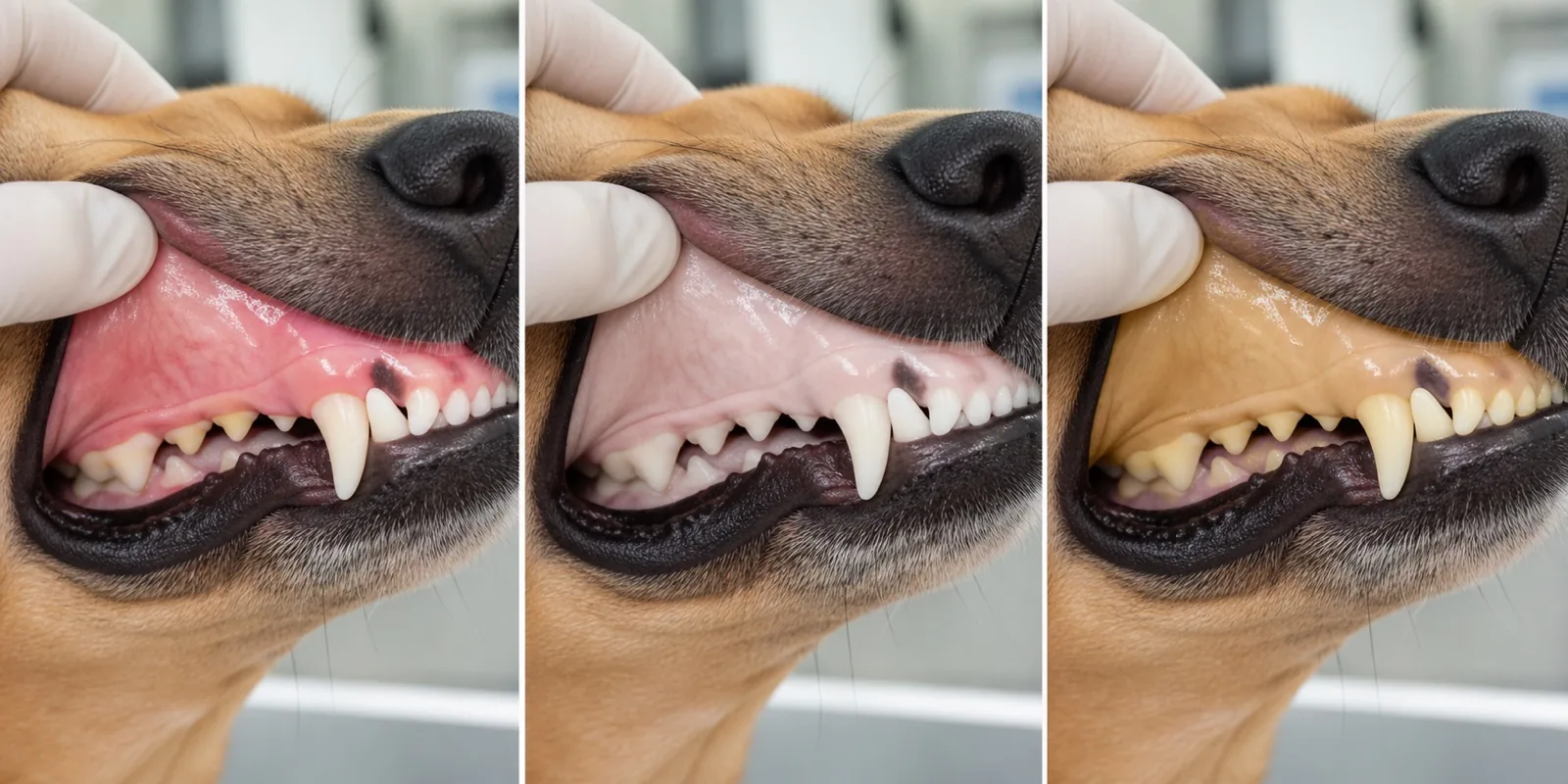
Pale gums
Anaemia can make normally pink gums look washed out or almost white. Yellow tint can signal jaundice.
Dark urine
Red, brown, tea or cola urine can occur when red blood cells are destroyed, especially with babesiosis. It is urgent.
Bleeding or bruising
Nosebleeds, gum bleeding, pinpoint red-purple spots or unexplained bruises can accompany very low platelets.
Limping and joint pain
Anaplasma and other tick-borne infections can cause stiffness or a limp that seems to move from one leg to another.
Slow weight loss
Chronic disease can look less dramatic: dull coat, weight loss, recurrent fever and gradually worsening energy.
What does “tick fever” actually mean?
Ehrlichiosis · Ehrlichia bacteria
Platelets, white cells and sometimes bone marrow
Fever, lethargy, bruising, nosebleeds, weight loss; chronic cases can suppress blood-cell production.
CBC + smear/serology; PCR helps confirm active pathogen DNA.
An antibiotic course chosen by the treating vet, usually over several weeks; supportive care if severe.
- Ehrlichiosis · Ehrlichia bacteria. Main target: Platelets, white cells and sometimes bone marrow Typical pattern: Fever, lethargy, bruising, nosebleeds, weight loss; chronic cases can suppress blood-cell production. Tests: CBC + smear/serology; PCR helps confirm active pathogen DNA. Treatment class: An antibiotic course chosen by the treating vet, usually over several weeks; supportive care if severe.
- Babesiosis · Babesia protozoa. Main target: Red blood cells Typical pattern: Pale gums, weakness, jaundice and red-brown urine as red cells are damaged; severe cases may collapse. Tests: CBC/PCV + blood smear; PCR is more sensitive and helps distinguish species. Treatment class: Species-specific anti-protozoal therapy, sometimes a multi-drug protocol; transfusion if anaemia is critical.
- Anaplasmosis · Anaplasma bacteria. Main target: Platelets or white cells, depending on species Typical pattern: Fever, lethargy, reduced appetite, joint pain or shifting-leg lameness; low platelets may occur. Tests: CBC + serology interpreted with signs; PCR can support an active-infection diagnosis. Treatment class: An antibiotic course chosen by the treating vet; supportive care based on severity.
Mixed infections happen. Indian PCR studies find co-infections in clinically suspected dogs, so one positive result may not be the whole story.
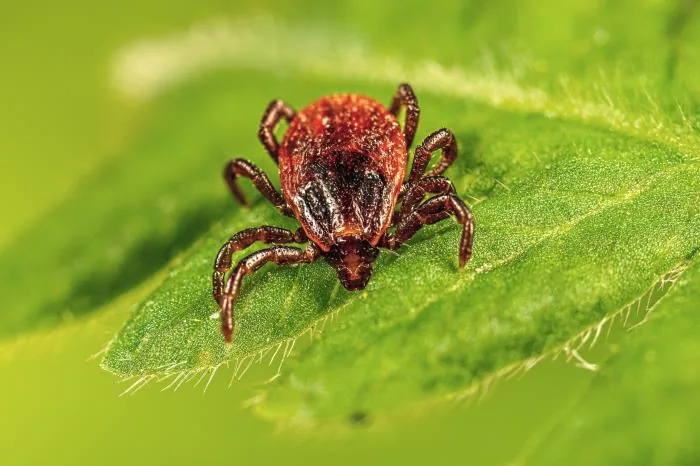 Real species photo
The brown dog tick
Rhipicephalus sanguineus is a reddish-brown tick found on dogs in India and worldwide. Unlike many ticks, it can complete its life cycle in homes and kennels, hiding in cracks, bedding and sheltered corners.
Unfed adults are small and flat; a feeding female becomes grey-brown and much larger. Colour and size vary with life stage, so do not rely on a photograph to identify every tick.
Photo: CDC PHIL #28386, Lauren Bishop. Public domain.“But the tick was weeks ago”
That delay is exactly why tick fever is missed. Signs can appear after the attached tick has fallen off. Ehrlichiosis can also pass through a quiet phase before chronic illness emerges. If your dog had ticks recently and now has unexplained fever, paleness, bleeding, dark urine or lethargy, tell the vet about the earlier tick exposure.
The exact incubation period varies by organism and dog. For Babesia, tropical guidelines describe roughly 1–6 weeks; tick-borne signs may also appear 7–21 days or longer after exposure.
How vets confirm tick fever
No photograph, video call or single platelet number can confirm tick fever. The vet combines history, examination and blood tests. These are the names dog parents are most likely to hear:
01CBC (complete blood count) + PCV/haematocritHow sick is the blood?
Measures platelets, red cells/haemoglobin and white cells. Low platelets support the suspicion; low red cells show anaemia. Neither result proves the cause. A manual smear review is useful because automated platelet counts can be affected by platelet clumping.
02Peripheral blood smearCan the organism be seen?
A stained drop of blood is examined under a microscope. Babesia may be visible inside red cells; Ehrlichia or Anaplasma inclusions are less consistently found. A negative smear does not rule out low-level or chronic infection.
03Rapid antibody / serology testHas the immune system met it?
In-clinic kits can detect antibodies to organisms such as Ehrlichia or Anaplasma. Early infection can test negative before antibodies rise, while a positive result can reflect exposure rather than proving that today’s illness is active. The result must be read alongside the CBC, signs and other tests.
04PCR tick panelIs pathogen DNA present?
PCR can identify Ehrlichia, Babesia, Anaplasma and sometimes other organisms, depending on the lab panel. It is more sensitive than microscopy in many low-parasite infections and can help separate Babesia species, which matters for treatment.
05Blood chemistry + urinalysisAre organs affected?
These tests assess kidneys, liver, bilirubin, hydration and urine changes. They do not name the tick organism, but they help the vet judge severity and choose safe supportive care.
Go to a physical clinic immediately if your dog has:
- Pale or white gums with dark urine, weakness or collapse
- Spontaneous nosebleed, gum bleeding or bleeding that will not stop
- Yellow gums or yellow whites of the eyes
- Severe breathlessness, confusion, seizures or collapse
- High fever with total refusal of food and water
A video consultation cannot provide oxygen, a transfusion, injections or hospital monitoring. If no clinic is open, a Vetezy vet on video can help you judge severity while you arrange transport.
Tick fever treatment in dogs: why starting early matters
The treatment plan depends on the organism and on how low the red cells or platelets have fallen. Do not start leftover medicine before the vet has drawn the samples they need.
Ehrlichiosis and anaplasmosis
A course of antibiotics chosen by the treating vet is commonly used, usually over several weeks. Dogs may look better before the organism is controlled. Finish the full course and attend the requested recheck.
Babesiosis
Treatment is species-dependent. Large and small Babesia do not always respond to the same medicines; vets may use a specific anti-protozoal injection or a multi-drug protocol after interpreting the smear/PCR and the dog’s condition.
Severe disease
Hospitalisation, careful IV support, oxygen and—when anaemia is critical—a matched donor blood transfusion may be needed. This is why white gums and collapse cannot wait for morning.
Paracetamol, ibuprofen and aspirin can harm dogs; aspirin is particularly unsafe when platelets or bleeding are already a concern. Do not copy a dose from another dog.
What an online vet can—and cannot—do
Can help
- Guide a gum and urine-colour check on camera
- Decide whether this is “clinic now” or “blood test today”
- Review CBC, smear, rapid-test and PCR reports
- Support follow-ups and build a prevention plan
Cannot replace
- Drawing blood or examining a smear
- Giving injections, oxygen or IV fluids
- Providing a blood transfusion
- Monitoring a collapsing or actively bleeding dog
What testing may cost in India
Costs vary by city, clinic, panel and whether the sample is sent to another lab. One current Indian veterinary diagnostic lab publicly lists CBC with peripheral smear at ₹400 and a three-pathogen tick PCR panel at ₹2,500, before consultation, collection, courier, medicines or hospital care. Treat these as examples—not a national price list.
Ask the clinic for a written estimate split into: examination, CBC/smear, rapid test or PCR, blood chemistry/urine testing, medicines, recheck CBC and any daily hospital charges. A dog needing oxygen or transfusion will cost far more than an early, stable outpatient case.
Tick prevention that works in India
The best product is the one that is safe for your dog and repeated on the correct schedule. Your vet should choose based on age, exact weight, health history, seizure history, pregnancy/breeding status, bathing and local tick pressure.
Monthly vet-recommended preventives
Given by mouth on a fixed schedule and dosed by your dog’s exact weight. Ticks must attach and feed before they die, so transmission risk falls a lot but not to zero.
Useful when chosen correctly
Duration and water resistance vary. Some dog products—especially permethrin-containing ones—are dangerous to cats. Keep cats away until a dog spot-on is fully dry and never apply a dog-only product to a cat.
Tap the dog to find six tick hiding spots
Use your fingertips to feel slowly against the direction of hair growth. A tick may feel like a small seed or bump.
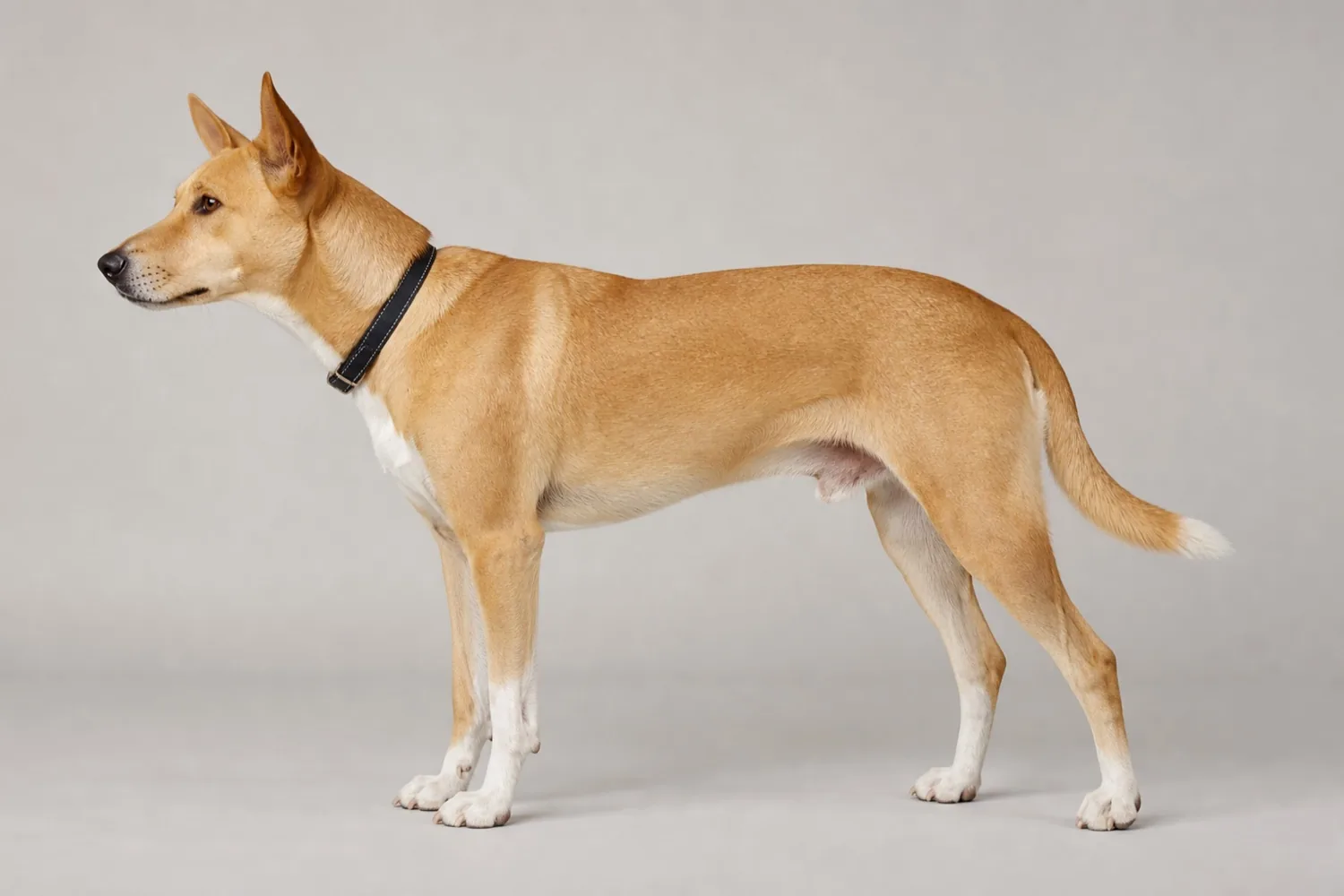
- Ear flaps: Check inside and behind both ear flaps, especially the folded edges.
- Under the collar: Remove the collar and run fingers around the entire neck.
- Armpits: Lift each front leg gently and inspect the warm, thin-skinned fold.
- Groin: Check the inner thighs and groin with your dog calm and supported.
- Between toes: Spread each toe and look between pads on all four feet.
- Tail base: Part the coat under and around the tail base.
How to remove a tick safely
Grip as close to the skin as possible
Use clean, fine-tipped tweezers or a purpose-made tick hook. Part the hair and grasp the tick at the attachment point, not around its swollen body.
- Grip as close to the skin as possible. Use clean, fine-tipped tweezers or a purpose-made tick hook. Part the hair and grasp the tick at the attachment point, not around its swollen body.
- Pull with slow, steady pressure. Lift straight away from the skin. Do not twist, jerk or repeatedly squeeze. If the tick will not come free, ask a clinic for help rather than digging into the skin.
- Contain the tick. Place it in a sealed container, tightly wrapped tape or alcohol. Do not crush it with bare fingers. A clear photograph can help if your vet wants to see what was removed.
- Clean, wash and keep checking. Clean the bite area and your hands with soap and water or a vet-approved antiseptic. Check the rest of the dog and watch the site for swelling or discharge. Tick removal does not replace prevention.
Treat the house—not only the dog
The brown dog tick can infest indoor spaces. Wash bedding, clean kennel corners, vacuum floor edges and seal cracks near sleeping areas. If ticks keep reappearing, ask your vet or a licensed pest-control service for a premises plan that is safe for dogs, cats and children. Never spray a premises-only chemical directly on an animal, and follow the product’s re-entry time.
One round may not catch newly hatched ticks. The timing of repeat environmental treatment depends on the product label and the pest-control plan; do not guess.
What about Indie and community dogs?
Indies can develop ehrlichiosis, babesiosis and other tick-borne infections just like pedigree dogs. A short coat may make ticks easier to spot; it does not create immunity. For community dogs, coordinate with a veterinarian or local animal-welfare group so each dog is weighed or responsibly size-estimated, health risks are considered, treatments are recorded and repeat doses are not accidentally doubled.
Tick fever FAQs
My dog had ticks last month but seems fine. Should I test?
A healthy dog does not automatically need every available test after one tick. Start reliable prevention, check daily and watch closely for several weeks. Fever, reduced appetite, unusual tiredness, pale gums, dark urine, bleeding or lameness means contact a vet and mention the earlier tick.
Doctor ne bola platelets kam hain—is it dengue?
Low platelets do not equal dengue, and they do not automatically equal tick fever either. Several diseases and immune problems can lower platelets. In an Indian dog with compatible signs or tick exposure, ehrlichiosis and other vector-borne infections are important possibilities, but the vet still needs a CBC review and targeted testing.
Recovery time: my dog looks normal after one week of tablets. Can I stop?
No. Improvement means the plan may be working; it does not prove the infection has cleared. Finish the full course unless the treating vet changes it, and attend the recheck blood test.
Can tick fever spread from my dog to my family?
Not through petting, licking or sharing a home. The concern is the tick itself: brown dog ticks can infest houses and may bite people, and ticks can carry pathogens of human-health importance. Remove ticks safely, control the home infestation and contact a physician if a person develops illness after a tick bite.
Is there a tick-fever vaccine in India?
There is no routinely used Indian vaccine that broadly protects dogs against ehrlichiosis, babesiosis and anaplasmosis. Prevention means year-round or seasonally appropriate tick control, daily checks and treatment of the environment when needed.
Clinical references
- MSD Veterinary Manual: Ehrlichiosis in Dogs
- MSD Veterinary Manual: Babesiosis in Animals
- TroCCAP: Canine Endoparasite Guidelines for the Tropics
- Parasitol Research: Molecular and microscopic detection in dogs from Haryana, India (2024)
- Indian study: R. sanguineus infestation in dogs from Guwahati (2024)
- CDC: Preventing Ticks on Pets and safe tick removal
- FDA: Isoxazoline safety information
- Dognostics public veterinary diagnostic service list (price examples checked August 2026)
Brand names are used only to help owners discuss options with a veterinarian. Vetezy has no sponsorship or endorsement relationship with the manufacturers named here.